Idaho Adventures: Travel Tips for Every Explorer
Dive into real travel tales and practical travel tips tailored for solo explorers, couples, and families seeking adventure and meaningful experiences in Idaho. Discover the best ways to explore Idaho's stunning landscapes and hidden gems Idaho adventures for everyone.
12/2/202510 min read
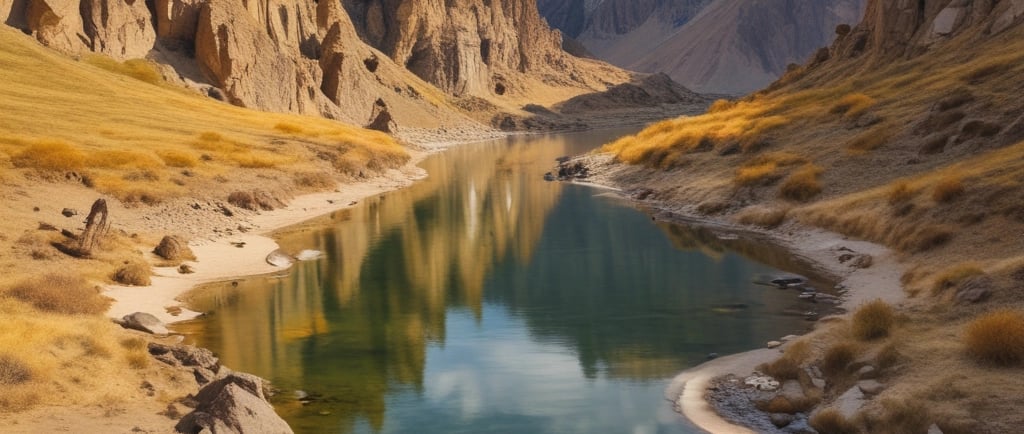
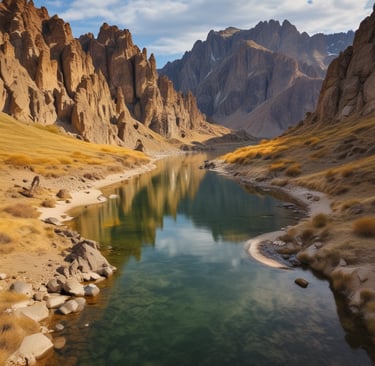
When most people think of Idaho, a singular image often dominates the imagination: the humble potato. It is a persistent stereotype, and while it is true that the "Gem State" produces nearly a third of America's potatoes, writing Idaho off as merely agricultural land is a travel mistake of massive proportions.
For the first-time visitor, Idaho is a revelation—a place where the map seems to contain five different worlds in one. From the lunar-like landscapes of volcanic fields to the deepest river gorges in North America, and from high-desert dunes to alpine peaks that rival the Swiss Alps, Idaho is a state of dramatic, often violent, geological contrasts.
If you are planning your maiden voyage to this Pacific Northwest treasure, you might be overwhelmed by the sheer scale of the wilderness. Idaho is brimming with opportunities for adventure that you simply cannot find elsewhere in the United States.
Whether you are seeking the adrenaline of white-water rafting, the solitude of a dark-sky reserve, or the luxury of a world-class ski resort, this guide covers the amazing things to do in Idaho that will turn you into a lifelong fan.
Guided 4x4 Tour?..But YOU Drive !! 🚗
Geological Marvels: Stepping onto Another Planet
One of the most shocking aspects of Idaho for new visitors is its violent volcanic history, which has left behind some of the most surreal landscapes on Earth. The state sits atop a geological hotspot that has shifted over millions of years, creating a trail of volcanic remnants that are both beautiful and slightly unsettling.
Craters of the Moon National Monument and Preserve
Located in central Idaho, this park offers an experience that is quite literally out of this world. Craters of the Moon is a vast ocean of lava flows with scattered islands of cinder cones and sagebrush.
The landscape is so alien that Apollo astronauts actually trained here in 1969 to prepare for their lunar missions. They learned to navigate the rough volcanic rock and study the geology that they might encounter on the moon.
The terrain here was formed by eruptions that occurred between 15,000 and 2,000 years ago along the Great Rift. Today, it stands as a preserved volcanic wonderland. First-time visitors should start with the North Crater Flow Loop Trail.
It is a short, accessible 0.3-mile paved path that immerses you immediately in the strange, crunching beauty of pahoehoe lava rock (a smooth, ropey type of lava) and aa lava (jagged and blocky).
For the more adventurous, the caves (lava tubes) offer a cool respite from the high-desert heat. These tubes were formed when the surface of a lava river crusted over while the molten rock beneath kept flowing, eventually draining away to leave a tunnel.
Be sure to bring a flashlight and get a free cave permit from the visitor center to help protect the local bat population from White-Nose Syndrome.
Guided 4x4 Tour?..But YOU Drive !! 🚗
City of Rocks National Reserve
Moving south toward the Utah border, the geology shifts from black lava to massive granite spires. The City of Rocks is a silent metropolis of stone that has eroded into fantastic shapes. Historically, this was a landmark for emigrants on the California Trail.
After weeks of traversing the flat, dusty plains, the sight of these "steeple" rocks was a sign of progress. Many pioneers wrote their names in axle grease on the rocks—signatures that are still visible today at Camp Rock and Register Rock, providing a tangible connection to the past.
For modern travelers, this is a world-renowned destination for rock climbing, with routes ranging from beginner scrambles to expert ascents. However, you don't need to be a climber to appreciate it.
The camping here is spectacular, offering a sense of isolation and peace that is becoming rare in the American West. The sheer size of the granite monoliths against the blue Idaho sky makes for incredible photography and hiking.
Hell’s Half Acre
If you are driving near Idaho Falls on your way to Yellowstone National Park, Hell’s Half Acre is a mandatory stop. Similar to Craters of the Moon, this is a basaltic lava field, but it is much more accessible for a quick stretch of the legs.
The loop trails here guide you through deep fissures, ravines, and lava tubes that showcase the raw power of the earth. It is a stark reminder that beneath the calm agricultural surface of the Snake River Plain, fire once raged. The trails are relatively short, making this a perfect hour-long excursion to break up a long drive.
The Power of Water: Falls, Canyons, and Rivers
Idaho is defined by its water. It is the lifeblood of the state, carving its deepest canyons and powering its agriculture. The Snake River, in particular, is the architect of much of Southern Idaho's beauty.
Shoshone Falls: The Niagara of the West
Located on the edge of Twin Falls, Shoshone Falls is actually higher than Niagara Falls, dropping 212 feet over a rim nearly 1,000 feet wide. It is a majestic display of power, but visiting here requires a bit of timing strategy.
Because the Snake River is heavily used for irrigation in the Magic Valley, the flow of the falls varies drastically by season.
For the "amazing" experience promised in travel brochures, you must visit in spring (April through June). During these months, the winter snowpack melts, and the river swells to over 10,000 cubic feet per second, creating a thunderous wall of white water that shakes the ground and creates massive rainbows in the mist.
If you visit in late summer or autumn, the falls may be reduced to a trickle or "scenic flows"—still beautiful, but lacking the majestic power that earns it its nickname.
Guided 4x4 Tour?..But YOU Drive !! 🚗
Hell’s Canyon National Recreation Area
Many visitors flock to Arizona for the Grand Canyon, unaware that Idaho is home to the deepest river gorge in North America. Carved by the Snake River along the border of Idaho and Oregon, Hell’s Canyon plunges 7,993 feet at its deepest point—nearly 2,000 feet deeper than the Grand Canyon.
The vastness of this area is difficult to comprehend from a car, as there are few roads that traverse it. To truly experience it, you need to get on the water. Jet boat tours are popular for covering long distances and seeing the dramatic rock walls and ancient petroglyphs left by the Nez Perce and other indigenous tribes.
For anglers, the canyon offers world-class fishing for sturgeon—prehistoric monsters that can grow up to 10 feet long. Hiking here offers solitude, but be warned: the name "Hell’s Canyon" refers to the intense summer heat trapped between the canyon walls, so early morning treks are essential.
The Salmon River
Known as "The River of No Return," the Salmon River is legendary in American wilderness lore. It flows through the Frank Church-River of No Return Wilderness, the largest contiguous wilderness area in the lower 48 states. This is not a place for a casual swim; it is a destination for serious white-water rafting.
The river got its nickname because, in the early days, boats could navigate down the river but could not get back up against the strong current. Today, multi-day rafting trips here are bucket-list items.
These guided adventures take you through Class III and IV rapids, past natural hot springs, and into deep canyons where no roads can reach. It is one of the premier whitewater experiences in the world, offering a mix of thrill and pristine nature.
Alpine Escapes: Mountains and Resorts
When the snow falls, Idaho transforms into a winter playground, but its mountain towns are equally spectacular in the summer.
Sun Valley Resort
You cannot talk about Idaho tourism without mentioning Sun Valley. Founded in 1936 by Union Pacific chairman Averell Harriman, this was America’s first destination ski resort. Harriman wanted to create a resort that rivaled the best of Europe to encourage rail travel in the West.
It was here that the chairlift was invented—adapted from a banana conveyor system used on cargo ships—changing the sport of skiing forever.
The resort has hosted celebrities from Ernest Hemingway (who wrote For Whom the Bell Tolls here) to Marilyn Monroe and Arnold Schwarzenegger. Despite the glitz, it retains a charm that is distinct from other western ski towns.
Bald Mountain ("Baldy") offers steep, consistent vertical drops that challenge even expert skiers. However, Sun Valley is a year-round destination. In the summer, the "sun" in its name becomes literal.
The hiking and mountain biking trails are pristine, and the Sun Valley Lodge offers ice skating even in July. It is a place where rugged adventure meets high-end luxury.
Sawtooth National Recreation Area
If Sun Valley is the polished gem, the Sawtooths are the jagged, wild diamond. Often called the "American Alps," this mountain range cuts a serrated profile against the sky that is breathtaking to behold.
The hub of this area is Redfish Lake. Sitting at the base of the mountains, the crystal-clear water mirrors the peaks perfectly. You can rent a pontoon boat, lounge on the sandy beach, or take the shuttle boat across the lake to access the wilderness trailheads.
A hike to Alice Lake or the Saddleback Lakes will reward you with alpine scenery that rivals anything in Patagonia or Switzerland. This is the heart of outdoor Idaho—wild, beautiful, and accessible.
The town of Stanley, with a population of fewer than 100 people, serves as the basecamp, offering a rustic, frontier vibe that feels miles away from the modern world.
YOU Drive The Jeep ! 4 x 4 Guided Tour ! <<--
Lakes and Relaxation
Idaho’s "Panhandle" (the northern chimney of the state) is a land of massive lakes and dense green forests, feeling more like the Pacific coast than the high desert of the south.
Lake Coeur d’Alene
This 25-mile-long lake is the playground of North Idaho. Formed by ancient glaciers, it is surrounded by pine-covered hills. The city of Coeur d’Alene sits on its northern shore, offering a resort-town vibe with boardwalks, fine dining, and the famous floating golf green at the Coeur d'Alene Resort.
For a first-time visitor, a hike around Tubbs Hill is mandatory. This 120-acre natural peninsula juts into the lake right from downtown. The 2.2-mile loop trail offers constant views of the water and secluded swimming holes.
It is the perfect way to experience the lake's beauty without needing a boat. Afterward, you can walk downtown for huckleberry ice cream—a local favorite flavor derived from the wild berries that grow in the surrounding mountains.
Lake Pend Oreille
Further north lies Lake Pend Oreille (pronounced pond-o-ray), the largest lake in Idaho and the fifth deepest in the United States at 1,158 feet. Its immense depth and silence have made it a critical testing ground for the U.S. Navy.
At the Acoustic Research Detachment in Bayview, the Navy tests stealth submarine technology—a fascinating slice of history hidden in a vacation paradise. Because the lake is so deep and the bottom is so quiet, it simulates the open ocean perfectly.
Visitors can explore the charming town of Sandpoint, often voted one of the most beautiful small towns in America. In the summer, the lake is a haven for sailing and boating. In the winter, the nearby Schweitzer Mountain Resort offers skiing with views of the lake below, creating a stunning visual of snow and water.
Lava Hot Springs
If your muscles are sore from all the hiking and skiing, head to southeastern Idaho. The town of Lava Hot Springs is famous for its natural geothermal pools. Unlike many hot springs that smell of sulfur, the water here is mineral-rich but odor-free.
The state-run facility features pools ranging from 102°F to 112°F, all bubbling over a natural gravel bottom. It is a deeply relaxing experience, especially in the winter when steam rises from the water into the snowy air.
Visitors often tube down the Portneuf River in the summer, which runs right through town, before soaking in the hot pools.
History, Culture, and the Quirky
Idaho’s history is a mix of Native American heritage, pioneer grit, and agricultural pride.
The Old Idaho State Penitentiary
Located in Boise, the "Old Pen" is one of the most atmospheric historical sites in the West. Operating from 1872 to 1973, it housed some of the region's most notorious criminals.
Today, you can tour the sandstone cell blocks, see the solitary confinement "Siberia," and stand in the gallows where executions took place. It is a haunting but fascinating look at frontier justice and the evolution of the penal system.
Boise River Greenbelt
While in the capital city of Boise, take time to explore the Greenbelt. This 25-mile tree-lined pathway follows the Boise River right through the heart of the city. It connects beautiful parks, the Boise State University campus, and wildlife habitats.
It is the crown jewel of the city, allowing you to cycle or walk from the urban core into nature in minutes. It exemplifies Boise's high quality of life, blending urban amenities with easy outdoor access.
Hagerman Fossil Beds
History in Idaho goes back much further than the pioneers. The Hagerman Fossil Beds are a window into the Pliocene epoch, 3.5 million years ago. This site is famous for the Hagerman Horse (Equus simplicidens), the first true horse which evolved here in North America before migrating to Eurasia.
The Visitor Center offers a great educational stop to understand the prehistoric savannah that once covered this region, where camels, mastodons, and saber-toothed cats once roamed.
The Idaho Potato Museum
You can’t leave Idaho without embracing the stereotype at least once. Located in Blackfoot, the Idaho Potato Museum is a genuinely fun stop. You can snap a selfie with a giant baked potato sculpture and learn about the history of the vegetable that feeds the world.
The museum explains the volcanic soil and climate conditions that make Idaho potatoes unique. The café even serves potato ice cream—a culinary experiment that is surprisingly tasty (resembling a creamy vanilla with a slight savory finish).
Family Fun and Thrills
Silverwood Theme Park
If you are traveling with family, Silverwood is non-negotiable. Located north of Coeur d’Alene, it is the largest theme park in the Pacific Northwest. It started as a humble airstrip and train ride but has grown into a 221-acre giant.
It features world-class wooden roller coasters like "Timber Terror" and "Tremors," as well as a massive water park, Boulder Beach. It retains a charming, clean Americana aesthetic that feels distinct from the corporate mega-parks in Florida or California.
Bruneau Dunes State Park
For a different kind of thrill, head to Bruneau Dunes south of Boise. Here you will find the tallest single-structured sand dune in North America, rising 470 feet above the desert floor. The amazing thing to do here? Sandboarding. You can rent a board at the visitor center and slide down the massive slopes.
Pro Tip: Visit in the morning or evening. In the summer afternoon, the sand can reach surface temperatures of 150°F, which will melt your shoes (and your enthusiasm). At night, the park observatory offers some of the best stargazing in the country, thanks to the lack of light pollution.
Scenic Road Trips
Connecting these destinations is an adventure in itself. Idaho is a road-trip state. The Sawtooth Scenic Byway takes you from the high desert of Shoshone to the alpine heights of Stanley. The White Pine Scenic Byway in the north winds through ancient forests. The drive from Boise to Yellowstone via Route 20 passes diverse landscapes that change every hour.
Conclusion
Idaho is a state that rewards the curious. It is a place where you can ski in the morning and golf in the afternoon, or hike a volcanic crater one day and sail a glacial lake the next. For the first-time visitor, the "amazing things to do" listed here are just the beginning.
The real magic of Idaho lies in the space between these destinations—the empty roads, the friendly small towns, and the overwhelming sense of freedom that comes with being in one of the last truly wild places in America. So pack your hiking boots, bring your camera, and leave the potato jokes at home—you’re in for an adventure.